Yacht charter: how to choose a boat and route for a vacation on popular seas
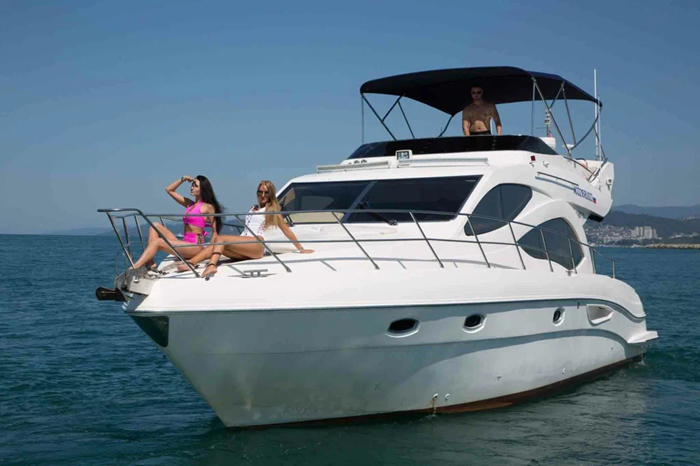
Yacht charter is a way to enjoy the freedom of a route and the comfort of a hotel while transporting your “home” across the water. You decide where to anchor, which beach to see at sunrise, and how long to spend in a quiet, uncrowded bay.
To ensure a safe and truly relaxing vacation, it’s important to choose a charter format in advance, evaluate the boat’s equipment, consider the region’s seasonality, and create a realistic travel plan. Below are practical tips and brief overviews of the most popular destinations for sailing or motor yacht vacations yachtcharteradvisor.com.
Rental formats: bareboat, captained, and crewed
Bareboat – chartering a bareboat without a captain or crew. Suitable for those with proven qualifications and experience. Pros: maximum autonomy and often a lower price. Cons: You are entirely responsible, including mooring, navigation, weather, and general housekeeping.
Captain-only charter is the best option for most. The captain steers the boat, assisting with routes, safety, and mooring, while you relax. If desired, you can participate in the navigation and learn basic seamanship skills.
Crew-only charter (captain + steward/chef, etc.) is for those seeking premium hotel-level service. Convenient for families, groups, events, and long voyages.
What documents and conditions should be clarified in advance?
- License/rights (for bareboat): What documents exactly does the charter company accept in the selected country?
- Deposit: Amount, payment method, refund conditions, availability of deposit insurance.
- Insurance: What it covers (hull, liability, rescue operations), what exceptions.
- Check-in/Check-out: Boat pickup and drop-off times, fuel and water regulations.
- Equipment: Availability of life jackets by size, raft/EPIRB, first aid kit, navigation, tender.
Popular yacht charter destinations: brief Reviews
The choice of region determines the nature of the trip: some offer short passages between islands, while others offer more challenging navigation and spectacular open waters.
Greece: Cyclades, Saronic Gulf, Ionian Sea
Why choose: Island culture, clear water, and a variety of routes. The Ionian Sea offers calmer winds, while the Cyclades are for those prepared for stronger meltemi winds in season.
Croatia: Dalmatian Islands
Why choose: Developed marina infrastructure, short passages, picturesque towns and bays. During peak season, it’s best to book your boat and marina in advance.
Turkey: Bodrum, Marmaris, Göcek
Why choose: Numerous sheltered bays, convenient anchorages, a combination of nature and service. Perfect for a leisurely “swimming” cruise.
Italy: Sardinia and Sicily
Why choose: Spectacular coastlines, gastronomy, vibrant marinas. Some areas are subject to stronger winds and waves, so forecasts and passage planning are especially important.
Summary: How to Make a Yacht Charter Simple and Safe
A practical approach boils down to agreeing on key terms in advance: budget, season, water area, charter type (bareboat or crewed), and company policies. Next – checklist management, transparent communication with the charter company, and discipline on board: then the sea will work for you, not against you.
A Short Checklist Before Setting Off
- Vessel: Compare the type (sail/motor/catamaran), layout, year and condition, the presence of a generator, air conditioning, watermaker, awning, engine power, and water/fuel capacity.
- Format: bareboat – if you are confident in the skills and documentation; skippered/crewed – if comfort and the absence of organizational risks are more important.
- Itinerary: Link passages to the forecast, crew capabilities, and “Plan B” for shelters; Allow for mooring time and weather.
- Documents and money: contract, deposit, insurance, licenses/certificates, list of included/not included items (fuel, final cleaning, bedding, Wi-Fi, SUP, dinghy motor).
- Safety: crew briefing, life jackets, first aid kit, lights and communication equipment, anchoring and night passage rules, zero-tolerance breathalyzer test for the helmsman.
- Supply: water and ice, simple food for the first day, sun protection, motion sickness medication, dry bags, flashlights, chargers, and offline maps.
- Reception/delivery: take photos/videos, check sails/engine/electrics/gas/pumps, mark everything In the act, clarify the rules for returning the deposit.
- Determine the purpose and composition of the crew – this will immediately narrow the choice of boat type and region.
- Select the season and accommodate the water area, taking into account winds, waves, temperatures, and marina occupancy.
- Book a suitable yacht, check deposit, insurance, and cancellation policies.
- Collect documents and a sailing plan, and consider weather-related alternatives.
- Complete the acceptance and briefing, assign roles on board, and understand safety rules.
The key formula for a successful charter: a realistic itinerary + a suitable boat + clear rental terms + safety discipline. Following this, you’ll get exactly the sailing vacation you planned: relaxed, comfortable, and predictably enjoyable.</p