The benefits of 3D visualization in construction for project approval and cost savings
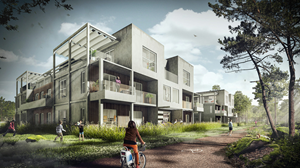
3D visualization in construction allows you to transform drawings and specifications into a clear, visual picture of the future project. This allows the client, designer, and contractor to equally understand the appearance of the building, its façades, interiors, and surroundings.
Modern visualization tools make design more transparent: solutions can be evaluated before work begins on site, options can be compared, and any disputes can be resolved early. This reduces risks, speeds up approvals, and helps maintain budgets.
Cost-Efficiency and Expectation Management
Visualization is more than just “pretty pictures”; it’s a tool for decision and cost control. It helps you choose materials and structures wisely, compare alternatives, and anticipate potential cost increases.
Budget Optimization at the Design Stage
Using 3D scenes, you can easily preview various options for façade systems, glazing, finishing, lighting, and landscaping, assessing the final impact before purchasing. This approach reduces the likelihood of costly replacements “on the fly.”
Additionally, it becomes easier to justify estimates and timelines: visual materials increase confidence in the calculations and help coordinate the scope of work and the scope of delivery. When discussing services, benchmarks such as rendering pricing are often used to compare the scope of scene preparation, the number of camera angles, and the level of detail.
Marketing and Sales Before Construction Completion
For development, 3D visualization allows for early promotion of the project: showing future views, public spaces, entrance areas, courtyards, and typical interiors. This increases the conversion rate of presentations and helps shape buyer expectations based on a consistent project vision.
Flexibility in Comparing Options and Scenarios
3D materials allow for quick comparison of solutions: daytime and nighttime lighting, seasonality, color scheme options, types of coatings, landscaping, and hardscape. Instead of lengthy verbal discussions, the team sees the difference and selects the best scenario based on functionality and aesthetics.
3D visualization in construction improves the quality of decisions, enhances communication, and reduces the likelihood of costly errors. It helps secure project approvals faster, more accurately present the final result, and more effectively manage deadlines and budgets.
Summary: Why 3D Visualization Has Become the Standard in Construction
3D visualization transforms a project from a set of drawings and specifications into a clear, verifiable, and approved model. This simplifies communication between the client, architects, engineers, and contractors, reducing the risk of misinterpretations and inconsistencies.
The practical value of 3D is that decisions on layouts, materials, engineering systems, and space organization are made before work begins. As a result, timelines and budgets are more manageable, and the quality of the final project becomes more predictable.
Key benefits in one list
- Visibility: clear demonstration of the concept, volumes, lighting, and materials for all project participants.
- Error reduction: early detection of conflicts and design issues, fewer reworks on site.
- Cost savings: adjustments during the modeling stage are cheaper than changes during construction.
- Speedy approvals: accelerated approval of layouts, facades, and interiors, fewer controversial interpretations.
- Marketing effectiveness: presentations, renderings, and virtual tours help sell and attract investment even before the project is commissioned.
- Better planning: development of operational scenarios and ergonomics, improved convenience and functionality.